The short answer
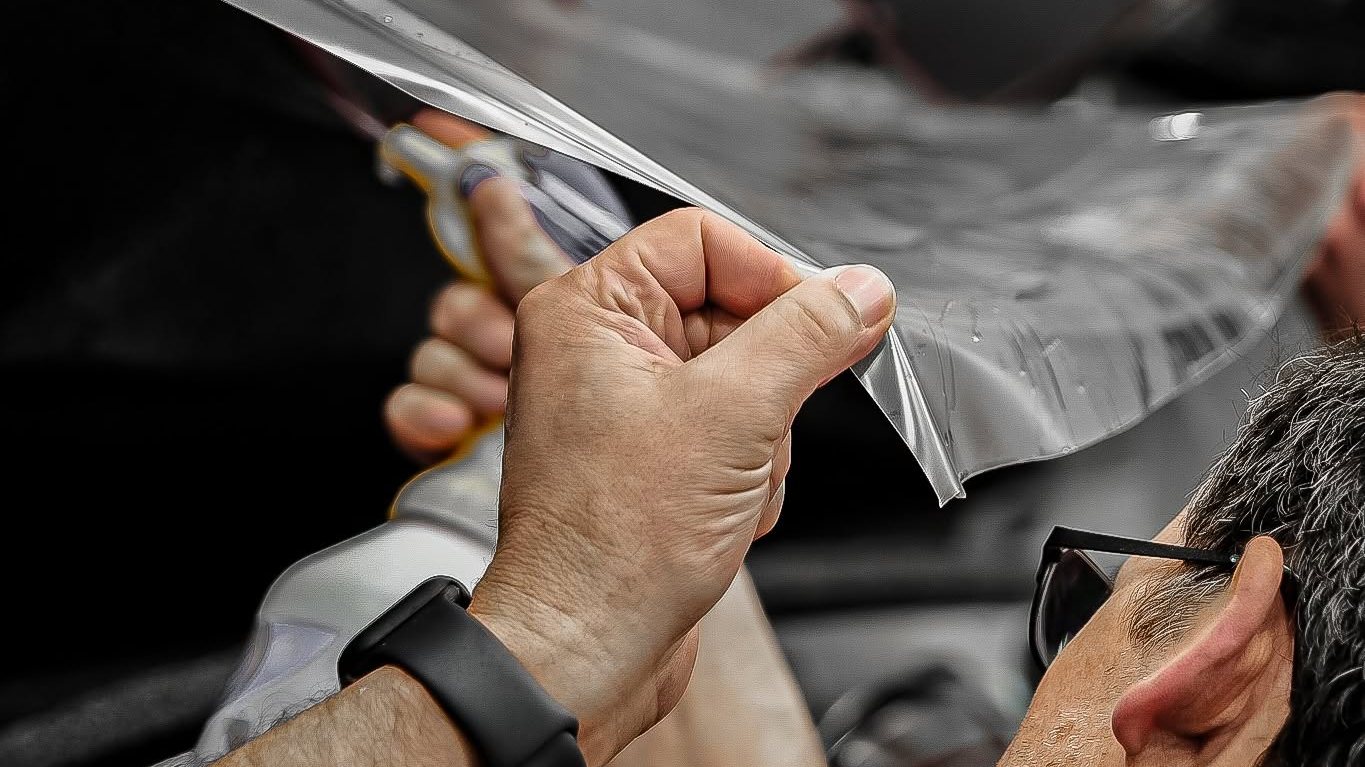
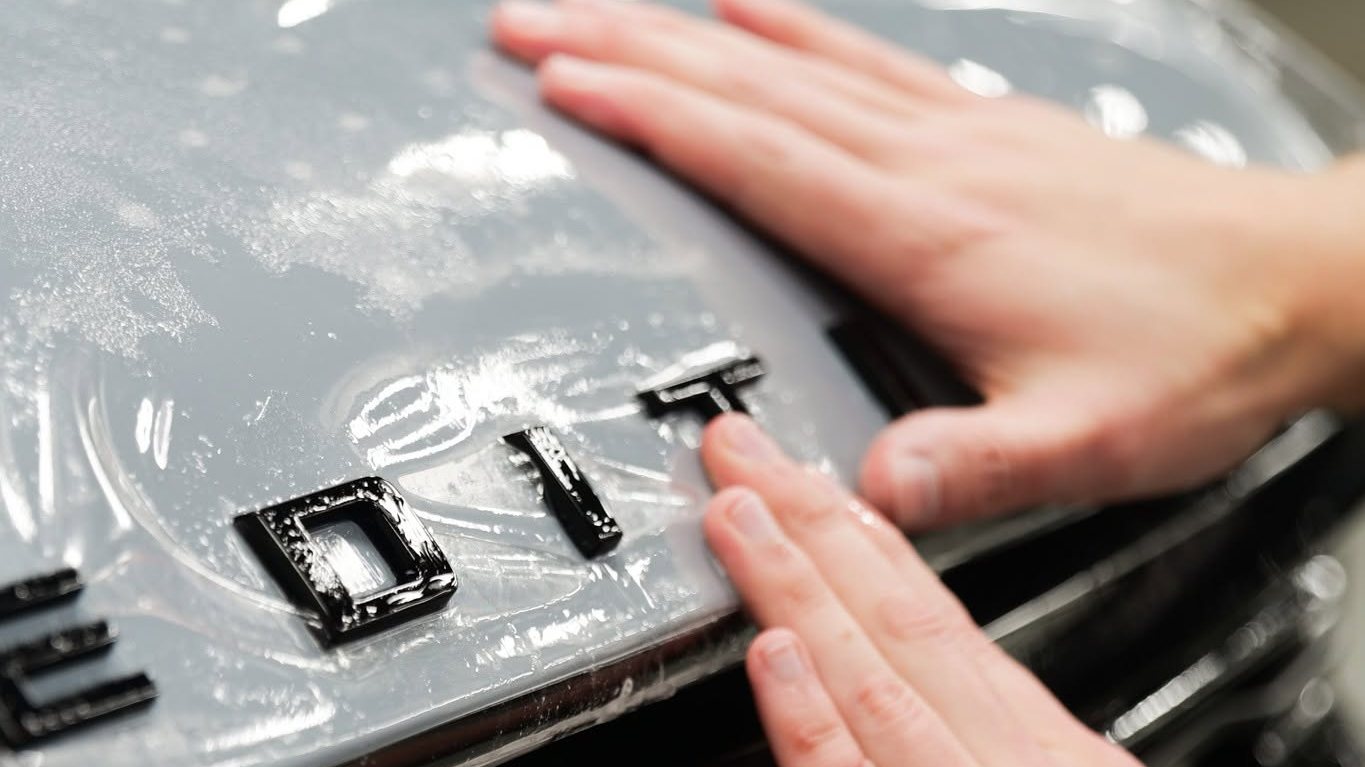
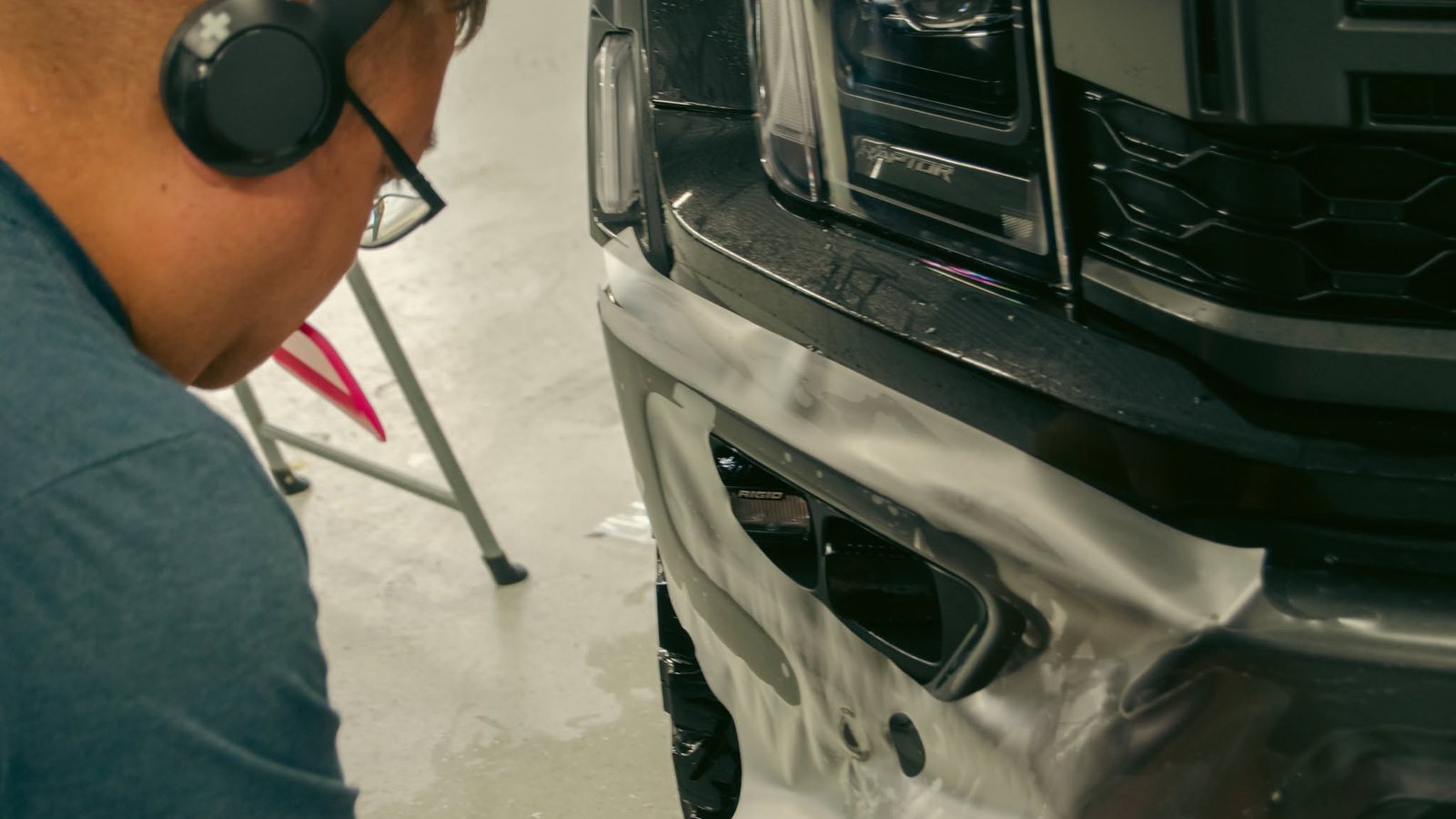
The best winter protection is paint protection film on the front of the car, where sand and rock chips hit, and a ceramic coating on the rest so salt and grime rinse off easily. Add windshield protection film if you drive the highway often. Getting it done before the sand trucks roll means the paint goes into winter intact.
What a Minnesota winter does to paint
- Sand and gravel spread on icy roads get thrown into hoods, bumpers, mirrors and windshields, leaving chips.
- Road salt and brine cling to lower panels and wheel wells, and dried salt residue is abrasive when it gets wiped or brushed.
- Snow brushes and scrapers drag grit across the paint and glass.
- Freeze-thaw cycles can turn small chips into rust spots by spring if the metal is exposed.
Which protection does what
| Protección | What it stops | Best for |
|---|---|---|
| Paint protection film (PPF) | Rock chips, sand blasting, scuffs, salt staining | Hood, bumper, fenders, mirrors, rocker panels |
| Ceramic coating | Salt and grime bonding to paint; makes washing easier | Whole car, wheels, and over PPF |
| Windshield protection film | Pitting and many chips from road debris | Highway commuters |
| Tintado de Vidrios cerámico Tintado de Vidrios | Glare off snow, UV | Daily drivers |
Many owners combine PPF on the front with a ceramic coating over everything, and add windshield protection film for highway driving. For a deeper comparison, see PPF vs. ceramic coating.
Your pre-winter checklist
- Fix existing chips. Touch up chips before they rust, or have them addressed before film goes on.
- Protect the impact zones. At minimum, cover the front bumper, hood leading edge and mirrors.
- Coat the lower panels and wheels. These collect the most salt.
- Protect the windshield. A chip in January can crack across the glass on a cold morning.
- Switch to a soft snow brush. Use it gently on painted and filmed surfaces.
Washing your car in winter
Rinse salt off every week or two when temperatures allow, including the underbody and wheel wells. A touchless car wash is gentle on PPF and coatings. Avoid wiping dry, salty paint with a towel, which grinds the grit in.
Can you install PPF or ceramic coating in winter?
Yes. We install indoors, so the cold outside does not affect the film or coating. The main reason to book early is to have protection on before the worst road conditions arrive.
Frequently asked questions
PPF shields the paint underneath from salt. Rinse salt off the film regularly so it does not leave stains or residue on the surface.
Ceramic coating makes salt and grime easier to wash off, but it does not stop rock chips. For chips, you need PPF on the high-impact areas.
Touchless washes are best. Brush-style washes can scuff the film surface and lift edges over time.
Ideally in early fall, before roads are sanded. Since we work indoors, installs can still be done after the snow starts.
Light marks in quality PPF can heal with heat, but grit dragged by a hard brush can still mark it. Use a soft brush and a light touch.