Key Takeaways
- Window tint is a thin film with layers (polyester, dye, metal, or ceramic) that absorb and reflect sunlight, block UV rays, and cut heat before it enters your car or home.
- All films work through reflection, absorption, radiation, and transmittance, four core principles that explain exactly how tint manages sunlight and heat.
- Metallic particles in the film bounce light and heat back outside like a mirror, keeping it from ever reaching your interior.
- Dyed and ceramic films soak up UV rays and infrared heat, converting that energy instead of letting it pass straight through the glass.
- Once heat is absorbed, better films release more of it back outward, which is why premium options like XPEL outperform cheaper alternatives.
- Transmittance measures how much visible light passes through after tinting, and it’s the number Minnesota’s tint laws are based on.
- Window tint keeps your car cooler, blocks up to 99% of harmful UV rays, reduces glare, adds privacy, protects your interior from sun damage, improves comfort and appearance, and eases the strain on your air conditioning, all in one simple upgrade.
How Exactly Does Window Tint Work?
It’s no secret that tinted windows help shield your skin from the sun and keep your cabin cooler. But how does it actually pull that off? At Bravo Protection, we get asked how window tint works almost every day, and after two decades of installing film on vehicles, homes, and businesses across Minnesota, we’ve picked up a pretty clear answer.
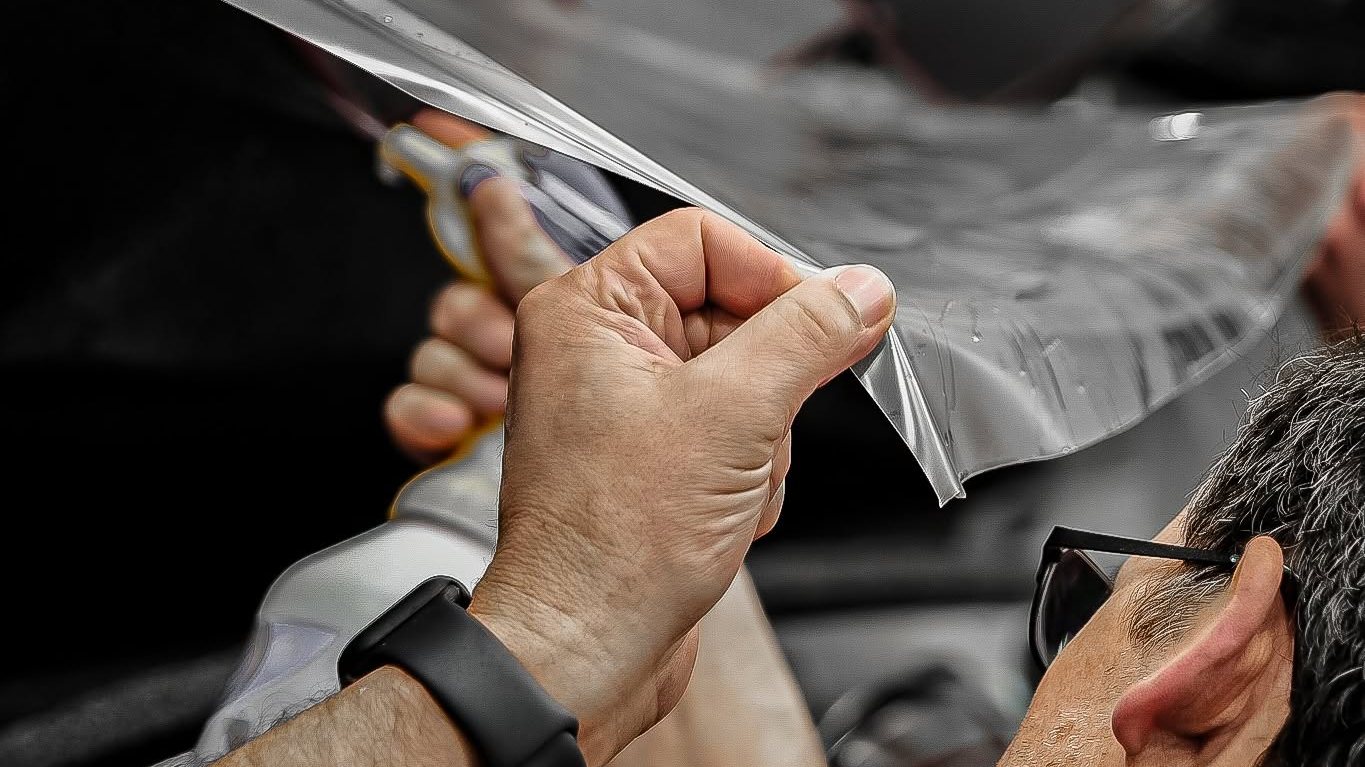
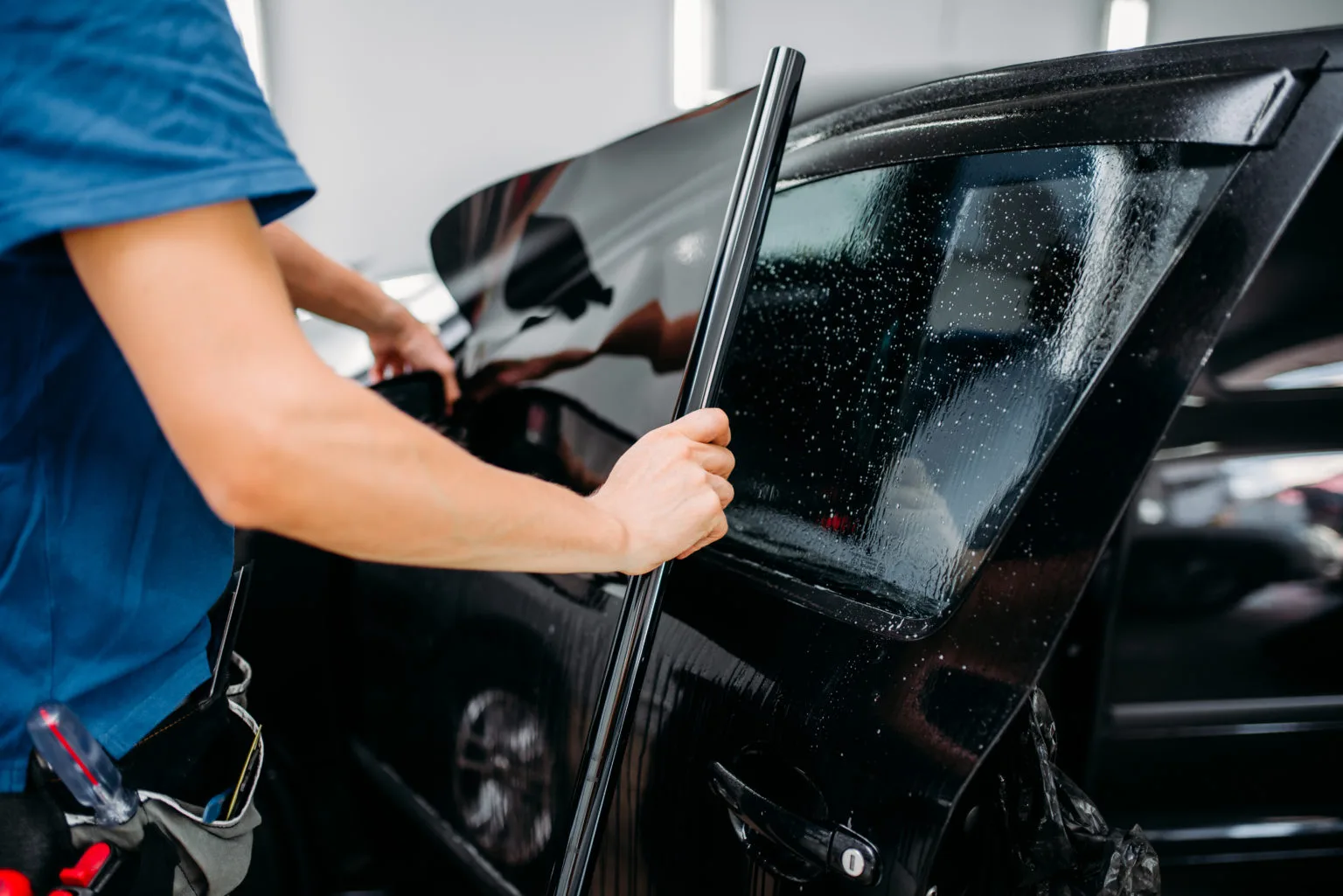
In simple terms, window tint is a thin film applied to your glass that’s made up of layers like polyester, dye, metal, or ceramic particles. Together, these layers absorb and reflect sunlight, block out UV rays, and cut down on heat before it ever gets inside. That’s the short version, but there’s a lot more going on beneath the surface, and we’ll walk through all of it below.
La ciencia detrás de cómo Tintado de Vidrios Obras
Although there are different types of film out there, from dyed to metalized to ceramic, they all rely on the same four basic principles: reflection, absorption, radiation, and transmittance. Let’s go through each one:
Reflexión
Think of this like a mirror bouncing light away. When sunlight hits your tinted glass, a portion of that light gets reflected right back outside instead of passing through. Metalized films are especially good at this, using tiny metallic particles embedded in the film to bounce heat and light away before it ever reaches your car’s interior or your living room.
Absorción
This is where the film actually soaks up solar energy instead of letting it go through untouched. Dyed and ceramic films use this principle heavily. The film’s layers absorb UV rays and infrared heat, converting that energy so it doesn’t transfer straight through the glass. This is a big part of what makes a hot summer afternoon in your car noticeably more bearable.
Radiación
Once the film absorbs solar energy, it has to release that energy somewhere. Some of it gets re-radiated back outside rather than into your car or home. Higher quality films, like the ones we install from XPEL, are engineered to release more of that absorbed heat outward instead of inward, which is a big reason why premium film performs so much better than cheap, off-the-shelf options.
Transmitancia
Transmittance is just the amount of visible light that actually makes it through the glass after the film has done its job. A lower transmittance percentage means a darker tint and less visible light coming through, while a higher percentage keeps things brighter and more see-through. This is also the number that Minnesota’s tint laws are based on, so it matters for staying street legal.
Now, if you’re wondering if tinted windows work the same way on every surface, the answer is no, not exactly. Automotive window tint is built to handle flexing, temperature swings, and constant sun exposure, while residential film is made to bond to flat glass and focus more on energy efficiency and comfort.
What Are the Benefits of a Window Tint
Once people understand what window tint does, they usually want to know why it’s worth the investment. Here are the window tint benefits that our customers in Minnesota see time and time again:
- Keeps Interiors Cooler
One of the first things you’ll notice is how much cooler things feel. Premium window tints block a significant amount of the sun’s heat before it ever gets inside, so your seats and dashboard, or your furniture and flooring, don’t take the brunt of it. On warm Minnesota summer days, that difference is noticeable almost right away.
- Protects You From Harmful UV Rays
A good-quality window tint can block up to 99% of harmful UV rays. That helps protect your skin whether you’re driving or relaxing at home, and it also reduces fading, cracking, and discoloration of upholstery, dashboards, flooring, and furniture.
- Reduce el deslumbramiento
Bright sunlight and headlight glare can make driving uncomfortable, and the same goes for trying to watch TV or work near a sunny window. Window tint softens that glare, making everyday tasks easier on the eyes, whether you’re behind the wheel or sitting at home.
- Adds Privacy Without Blocking Your View
Tinted windows make it harder for people outside to see in, while still letting you see clearly from the inside. That means more privacy for you, your loved ones, and your valuables, whether you’re parked in a busy lot or unwinding in your living room.
- Can Reduce Energy and AC Use
Because less heat gets in, your air conditioner doesn’t have to work as hard to keep things cool, whether that’s your car’s AC or your home’s cooling system. It won’t dramatically change fuel economy or utility bills overnight, but it does help your system run more efficiently, especially during hot weather.
- Improves Appearance
Many customers choose window tint simply because they like the look. The right tint gives a clean, finished appearance while complementing the style of a vehicle or a home. It’s one of the few upgrades that improves both looks and everyday function.
Reflexiones finales
So, to circle back to the original question, how does window tint work? It comes down to a specially engineered film that filters out heat and harmful UV rays while still letting you see clearly through your glass.
Whether you’re looking to protect your car’s interior, keep your home cooler in the summer, or simply enjoy a little more privacy, a window tint is a smart choice. And when it’s installed by an experienced team who understands Minnesota’s unique weather swings, you get film that performs the way it’s supposed to for years to come.
Got questions, or ready to see what quality tint can do for your car or home? Give our team at Bravo Protection a call at (952) 476-7025, swing by our shop at 14010 23rd Ave N, Plymouth, MN 55447, or email sales@bravoprotection.com. We’re open Monday through Friday, 8:30 AM to 5:30 PM, and our team is always glad to walk you through your options and answer whatever’s on your mind.
Preguntas frecuentes
Good quality window film typically lasts anywhere from 5 to 15 years, depending on the type of film and how well it’s maintained.
Yes, but there are specific rules about how dark your tint can be, especially for vehicles. It’s always best to check current state regulations or ask a professional installer before choosing your shade.
Yes. Quality film can block a significant amount of solar heat, which helps keep both cars and homes noticeably cooler, especially during hot Minnesota summers.
Absolutely. If your tint starts to bubble, peel, or fade over time, it can be removed and replaced with a fresh application.
Yes, particularly for residential and commercial properties. Since tint blocks heat and UV rays before they get inside, your air conditioning doesn’t have to work as hard, which can add up to significant savings over time.